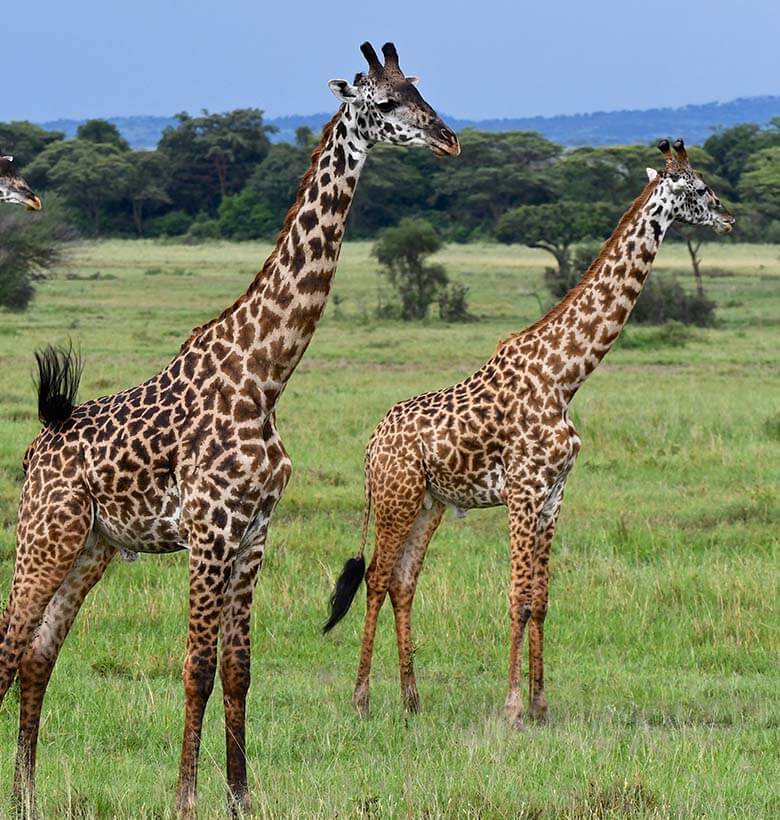
You’ve seen the Serengeti in photographs. Now experience what the photographs cannot show.
There is a moment on safari when the conversation stops.
Perhaps your guide has spotted a lion lying low in the grass. Maybe a herd of wildebeest suddenly begins moving across the plains. Or perhaps you are simply watching the morning light spread across an empty horizon, with nothing but birdsong and distant wildlife around you.
This is the Serengeti.
A Serengeti safari in Tanzania is not only about how many animals you see. It is about being present when something wild happens in front of you — without warning, without a script and without knowing exactly what comes next.
With Mwewe Expeditions, your journey through the Serengeti is shaped around the kind of experience you want to have, whether that means following the Great Migration, searching for predators, spending more time in quieter areas or combining the Serengeti with other Northern Tanzania safari destinations.
The Serengeti Is Not a Zoo
One of the first things you learn in the Serengeti is that wildlife does not perform on a schedule.
A lion may be sleeping when you hoped to see a hunt. A leopard may disappear into tall grass just as you arrive. Thousands of wildebeest may be in one area one week and many kilometres away the next.
That uncertainty is part of the experience.
You are not being taken from one attraction to another. You are entering a living ecosystem where weather, water, food and instinct determine what happens next.
And when something does happen, you know you are witnessing something real.
What Makes a Serengeti Safari Special?
The Serengeti stretches across a vast landscape where wildlife can move freely. Open grasslands dominate much of the scenery, while rivers, woodland, rocky kopjes and seasonal water sources create different habitats for different animals.
Here, you can spend a morning watching elephants move slowly through the landscape, come across a pride of lions resting after a night of activity, or follow a cheetah scanning the open plains for its next opportunity.
Then there are the smaller moments.
A giraffe standing alone against the horizon. Zebra moving through golden grass. A secretary bird walking across the plains. Hippos gathered in a river. Birds circling above a recent kill.
You may arrive hoping to see the Big Five.
You may leave remembering something completely different.
Serengeti Great Migration Safaris
For many travellers, the Great Wildebeest Migration is the reason they come to the Serengeti.
Millions of wildebeest and large numbers of zebra and other grazing animals move through the Serengeti ecosystem in search of fresh grass and water. Their movement creates opportunities for some of Africa's most dramatic wildlife encounters.
But there is an important truth about the migration:
It does not follow a calendar.
Rainfall, food and water influence where the herds move. Even during a month associated with the migration, the animals may not be exactly where you expected them to be.
That is why a good migration safari is less about promising a particular sighting and more about understanding the landscape, following current conditions and giving yourself enough time to experience what unfolds.
January to March — Calving Season
The southern Serengeti and Ndutu area can become a remarkable nursery during the calving season.
Young wildebeest arrive in large numbers, attracting predators and creating an intense period of activity across the plains. It is a time when the Serengeti can feel particularly alive.
April to June — Following the Herds
As the rains change the landscape, the herds gradually begin moving northward.
The plains can be beautifully green, and the journey offers a different perspective on the migration away from the more famous river-crossing scenes.
July to October — Northern Serengeti
The herds move toward the northern Serengeti and Mara River region.
This is when many travellers hope to witness a river crossing. They can be extraordinary moments — but they are also unpredictable. The animals may gather for hours, turn back, cross elsewhere or continue moving without warning.
There is no button to press for a crossing.
You wait.
You watch.
And sometimes, nature decides to give you a moment you will remember for the rest of your life.
November to December — Returning South
With the short rains, the herds begin moving back toward the southern plains.
The Serengeti changes again, bringing another opportunity to experience the migration without necessarily following the busiest travel periods.
Beyond the Migration
You do not need to visit during the Great Migration to experience an extraordinary Serengeti safari.
The Serengeti supports abundant resident wildlife throughout the year. Lions, elephants, giraffes, buffalo, zebras, hippos, antelope, leopards and cheetahs can all be encountered depending on the area and season.
For some travellers, the quieter periods are even more appealing.
There may be fewer vehicles in certain areas, the landscapes can change dramatically with the rains, and there is more space to simply stop and watch.
Because sometimes the best safari moment is not the dramatic one.
It is sitting quietly for ten minutes while a herd of elephants slowly crosses the road.
The Moments You May Remember Most
A Lion at First Light
The Serengeti is quiet before sunrise.
Then you notice movement.
A lion lifts its head. Another begins walking. The pride slowly becomes active as the first light reaches the plains.
Nothing was announced. Nothing was scheduled.
You were simply there.
A Leopard in the Grass
Leopards are masters of disappearing.
You may see one clearly for only a few seconds before it slips into vegetation or disappears beneath a tree.
That is why finding one feels less like ticking an animal off a list and more like discovering a secret.
The Herds on the Horizon
Sometimes the scale of the Serengeti is difficult to understand until you see a herd moving across it.
Wildebeest stretch across the plains, with zebra mixed among them and dust rising behind their movement.
From a distance, the animals can look small.
Then you realise how far the herd continues beyond what your eyes can see.
The Quiet Between Sightings
Not every hour needs an animal in front of you.
There is value in driving slowly through the landscape, watching birds, noticing tracks, listening to your guide explain animal behaviour and simply allowing the Serengeti to unfold around you.
The quiet becomes part of the safari.
A Serengeti Safari That Fits Your Travel Style
There is no single correct way to experience the Serengeti.
You might want a budget safari that keeps the experience accessible and spends more on the wildlife than unnecessary extras.
You might prefer a comfortable safari with well-chosen lodges or tented camps after long days in the bush.
You might be travelling with children and need a family safari with a comfortable pace and carefully planned driving days.
Or perhaps you want a private or luxury safari, with more flexibility, refined accommodation and time to experience the Serengeti at your own pace.
The important thing is not the label.
It is whether the safari fits the experience you came all this way to find.
Where You Sleep Matters Too
After a day among wildlife, your accommodation becomes part of the story.
Depending on your preferences and budget, you can stay in a public campsite, private campsite, eco-lodge, tented lodge, safari camp or luxury tented camp.
A night under canvas can make you feel closer to the wilderness — listening to distant sounds as the Serengeti settles into darkness.
A lodge can give you a comfortable place to slow down, rest and enjoy the landscape after a long day.
There is no single best choice. The right accommodation depends on how you want your safari to feel.
Serengeti and the Rest of Northern Tanzania
The Serengeti becomes even more rewarding when combined with other destinations.
A journey through Tarangire National Park can introduce you to large elephant herds and distinctive baobab landscapes before you continue toward the Serengeti.
The Ngorongoro Conservation Area offers a completely different landscape, with wildlife concentrated within the dramatic Ngorongoro Crater.
Lake Manyara National Park adds forest, lakeshore scenery and another side of Tanzania's wildlife.
Together, these destinations can turn a Serengeti visit into a broader Northern Tanzania safari, rather than a single park experience.
When Should You Visit the Serengeti?
The best time depends on what you want from your safari.
If your priority is the Great Migration, your dates should be chosen according to the expected movement of the herds.
If your priority is general wildlife viewing, the dry season is popular because animals can become easier to locate around water and vegetation is often less dense.
If you prefer greener landscapes and potentially fewer visitors, the rainy periods offer a different side of the Serengeti.
There is no month that guarantees everything.
There is only the season that best matches your reason for coming.
How Long Should You Spend in the Serengeti?
A short stay can give you a taste of the Serengeti.
But more time changes the experience.
Three or four days can give you meaningful wildlife viewing, while a longer stay allows you to explore different areas, slow down and avoid making every day about reaching the next destination.
If the Great Migration is your main reason for travelling, additional time can also give you greater flexibility because wildlife does not always cooperate with a fixed itinerary.
Your Serengeti Story Should Be Yours
Perhaps you have dreamed of seeing a lion in the wild since childhood.
Perhaps you want to photograph the Great Migration.
Perhaps you simply want to wake up somewhere completely different from home and spend a few days surrounded by open wilderness.
Whatever brings you here, the Serengeti does not need to be exaggerated.
Its scale speaks for itself.
Its wildlife does what wild animals have always done.
And sometimes, the most powerful moment is the one you never planned for.
Serengeti Safari with Mwewe Expeditions
Your safari should leave you with more than photographs.
It should leave you with the feeling of having been somewhere truly wild — of watching animals on their own terms, sharing quiet moments with the people travelling beside you and seeing landscapes that stay in your mind long after you have returned home.
Whether you are looking for a Serengeti safari in Tanzania, Great Migration safari, private safari, family safari, budget safari, camping safari or luxury safari, the journey can be shaped around what matters most to you.
Mwewe Expeditions — Nature Guaranteed.
Ready to Experience the Serengeti?
Tell us what you want to see, how you want to travel and how much time you have. From there, your Tanzania safari can be shaped around the experience you actually want — not simply a standard route.
Ready to go?
Tell us your dates and preferences — our team will tailor this experience for you.
+255754347268You may also like
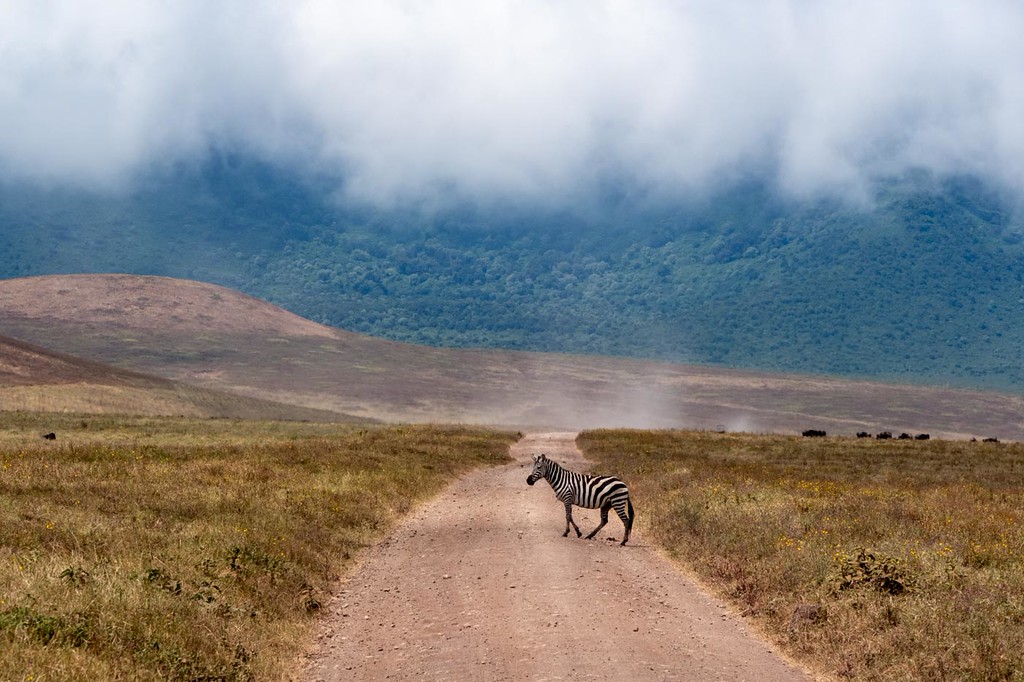
Ngorongoro Crater: Where Wildlife Meets an Ancient World
Learn More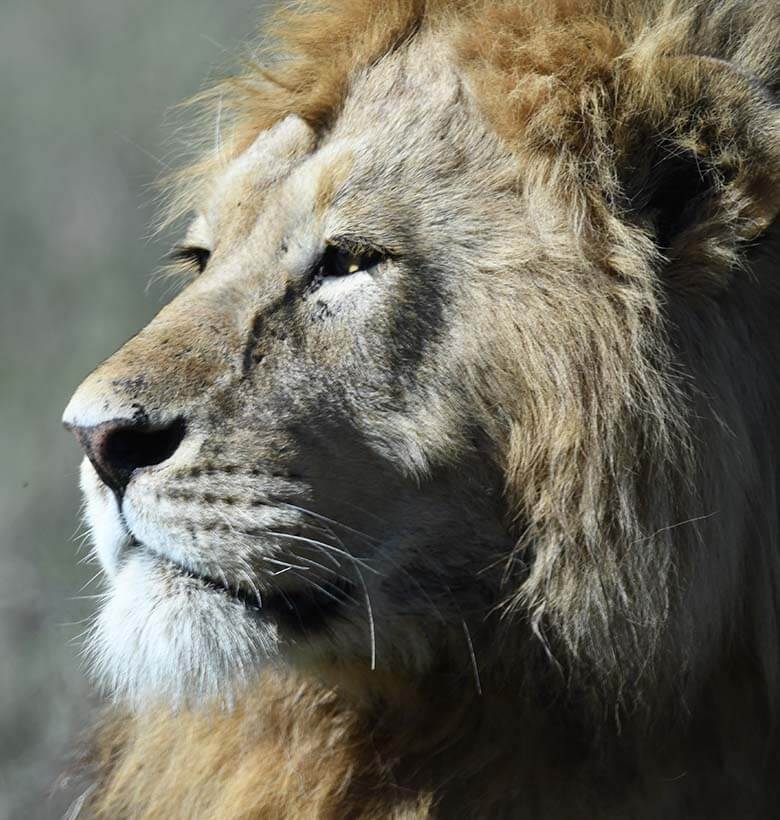
Exclusive Private Safaris
Learn More